Hair Restoration · Concern
Receding Hairline: Causes and Treatment Options
A receding hairline moves back from the forehead, usually starting above the temples. In men, it is often the first sign of hereditary hair loss. It can also come from hairstyles that pull on the hair, or from a condition that scars the hair follicles. Each of these causes is treated differently.

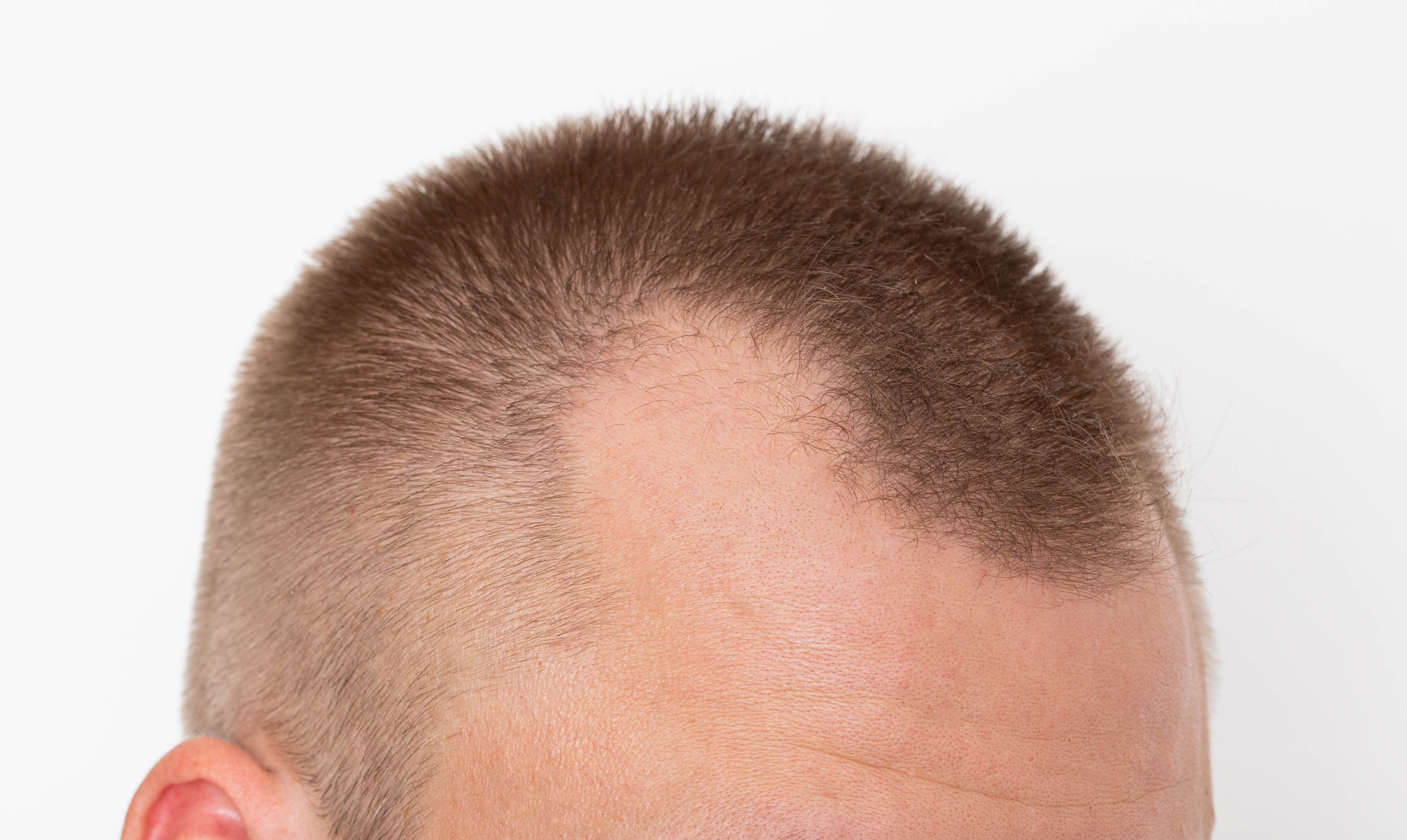
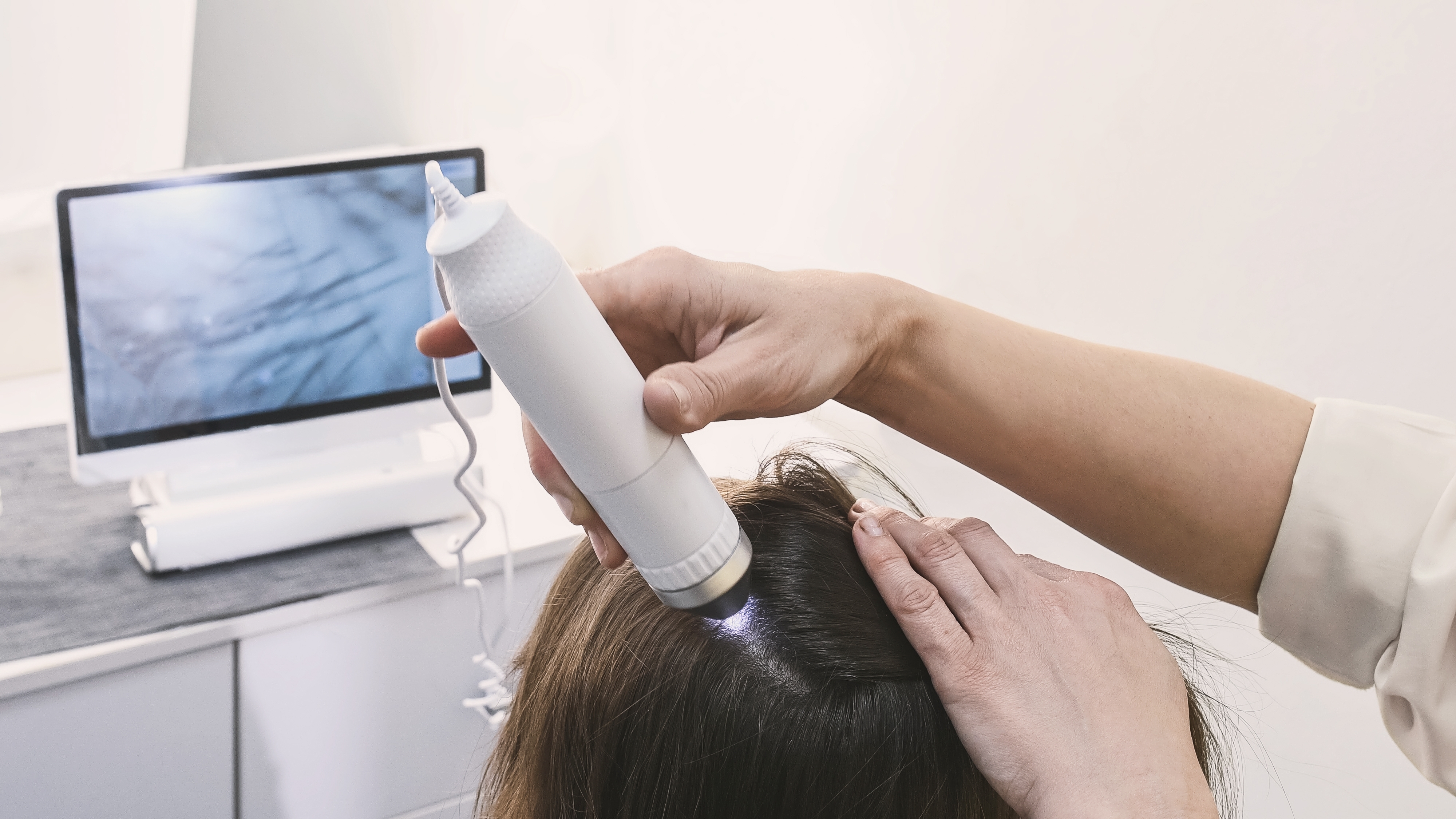
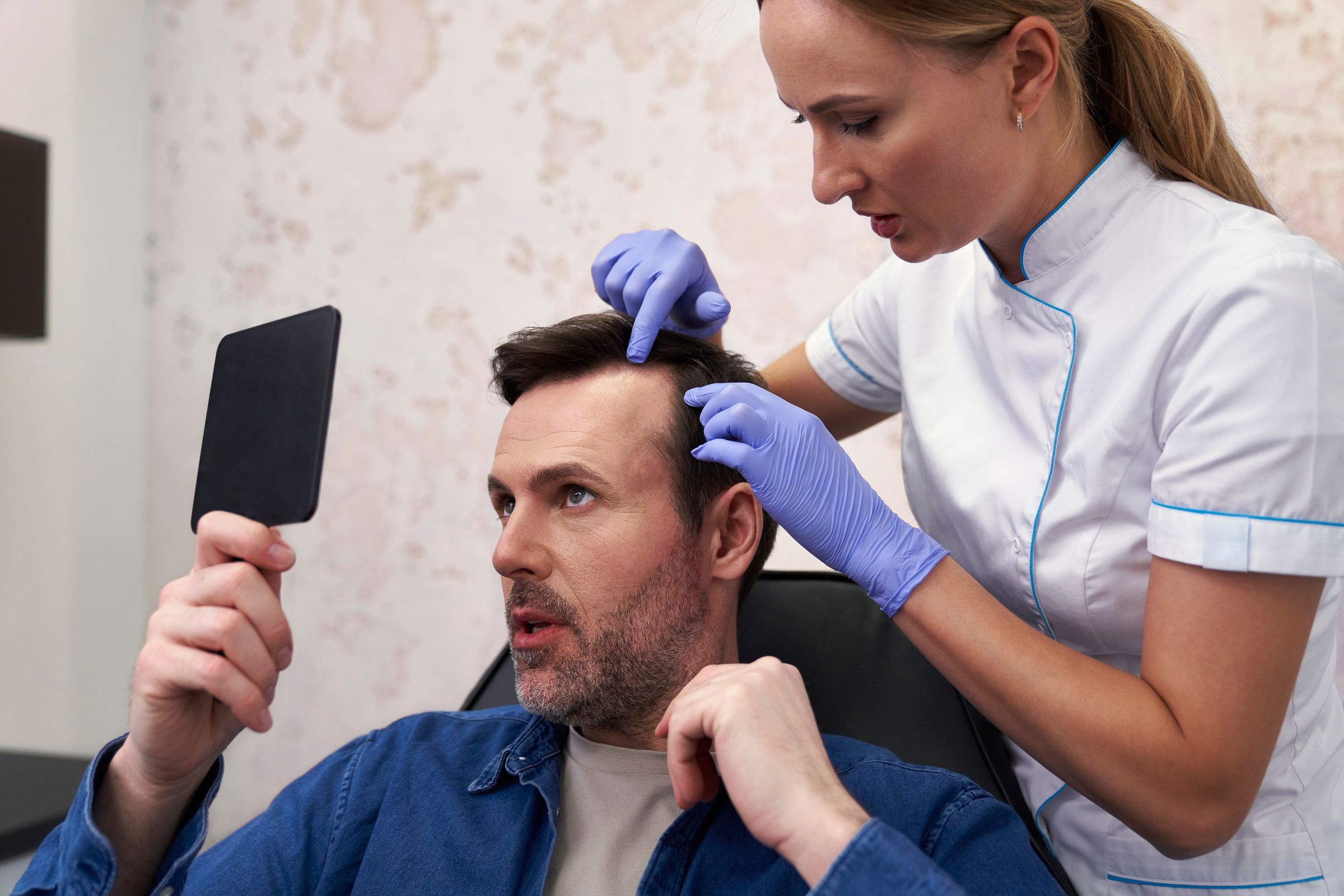
Is My Hairline Receding, or Just Maturing?
Hairlines change with age. For some people the change is slight and never goes further. For others, it is the first step toward hereditary hair loss, and it is hard to predict how far the hairline will move. A dermatologist can tell you which type of change you have.
What Does a Receding Hairline Look Like?
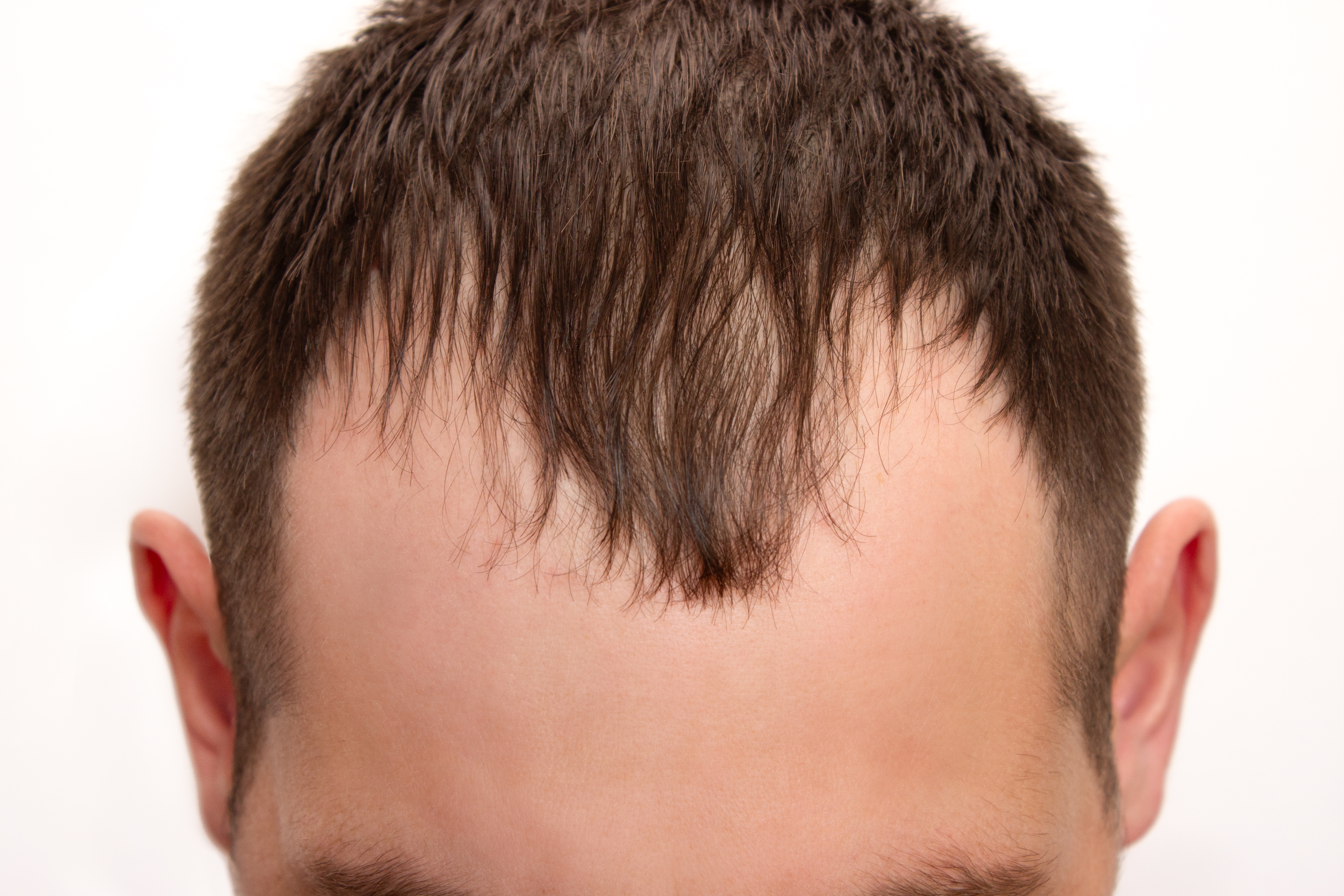
In Men
- Hereditary hair loss usually begins above both temples
- Over time, the hairline moves back into an "M" shape
- Hair often thins on the crown as well
- Doctors describe these changes in stages, using the Norwood scale
In Women
- The hairline usually does not recede with hereditary hair loss
- Female hair loss shows as thinning on the top of the head and a wider part
- A receding hairline can still happen, for example from a hairstyle that pulls or from frontal fibrosing alopecia
What Causes a Receding Hairline?
There are three main causes: hereditary hair loss, hairstyles that pull, and frontal fibrosing alopecia.
Hereditary Hair Loss
In men, this is the most common cause. The first sign is often a receding hairline or a bald spot on the top of the head. It can start as early as the teens, and it tends to run in families.
Hairstyles That Pull (Traction Alopecia)
Wearing hairstyles that pull tightly on the hair can, over time, lead to hair loss. The hairline is one of the first places this shows. Early signs include broken hairs around the forehead and a receding hairline. If the pulling continues, the hair can stop growing for good.
Frontal Fibrosing Alopecia
This condition often looks like a receding hairline along the front and sides of the head. It is usually diagnosed in women after menopause, though men can get it too. Many people also lose some or all of their eyebrows, and this is often the first sign. It scars the hair follicles, and a scarred follicle can no longer grow hair.
Can a Receding Hairline Be Stopped or Grow Back?
It depends on the cause.
- Hereditary hair loss: Treatment can help stop or slow it, and may help some hair regrow. The earlier it starts, the better it works. Without treatment, hair loss continues.
- Traction alopecia: Stopping the hairstyles that pull is the first step. The longer it goes untreated, the more likely the hair loss becomes permanent, and at that stage the hair cannot grow back.
- Frontal fibrosing alopecia: Early treatment from a dermatologist can stop further hair loss, and some hair may regrow. Hair does not grow back where the follicles have scarred.
If the change in your hairline is simply part of getting older, and not caused by a medical issue, you don't need treatment.

When to See a Doctor About a Receding Hairline
A change in your hairline is worth checking with a dermatologist if any of these sounds familiar. Seeing a doctor first helps you understand the cause before you consider a hair clinic.
Do any of these sound like you?
Our coordinators reply within 24 hours.
0/5
Treatment Options for a Receding Hairline
For a hairline that recedes because of hereditary hair loss, the options are medication and, once the pattern is stable, a hair transplant. Traction alopecia and frontal fibrosing alopecia are treated by a dermatologist first.
Medication
For hereditary hair loss, a dermatologist may recommend medication. Medication is not right for everyone, so a dermatologist decides what fits you.
Hollywood Patient Care coordinates hair transplant care. We do not prescribe or sell medication.
Based on our research of published clinic prices, checked October 2026. Your coordinator gives you a personal quote.

Hair Restoration
Hair Transplant
Hair surgery
Moves your own hair follicles to areas that are thinning or bald.
Time abroad
2 to 3 days
When it may fit: For a receding hairline from hereditary hair loss, once the pattern is stable and there is enough donor hair.
Hair Restoration
FUE Hair Transplant
Removes grafts one by one from the donor area and places them where hair is thinning.
Hair Transplant Doctors
These doctors perform hair transplants. Each profile shows their training, the procedures they perform and where they work.

Hair Transplant Clinics
These hospitals and clinics perform hair transplants and are listed on Hollywood Patient Care. Verified clinics have passed our checks. How we verify

Receding Hairline: Frequently Asked Questions
At what age does a hairline start to recede?
Hereditary hair loss can start as early as the teens, any time after puberty, and the risk grows with age. Many men notice their hairline moving back by their late 30s.
How do doctors find the cause of a receding hairline?
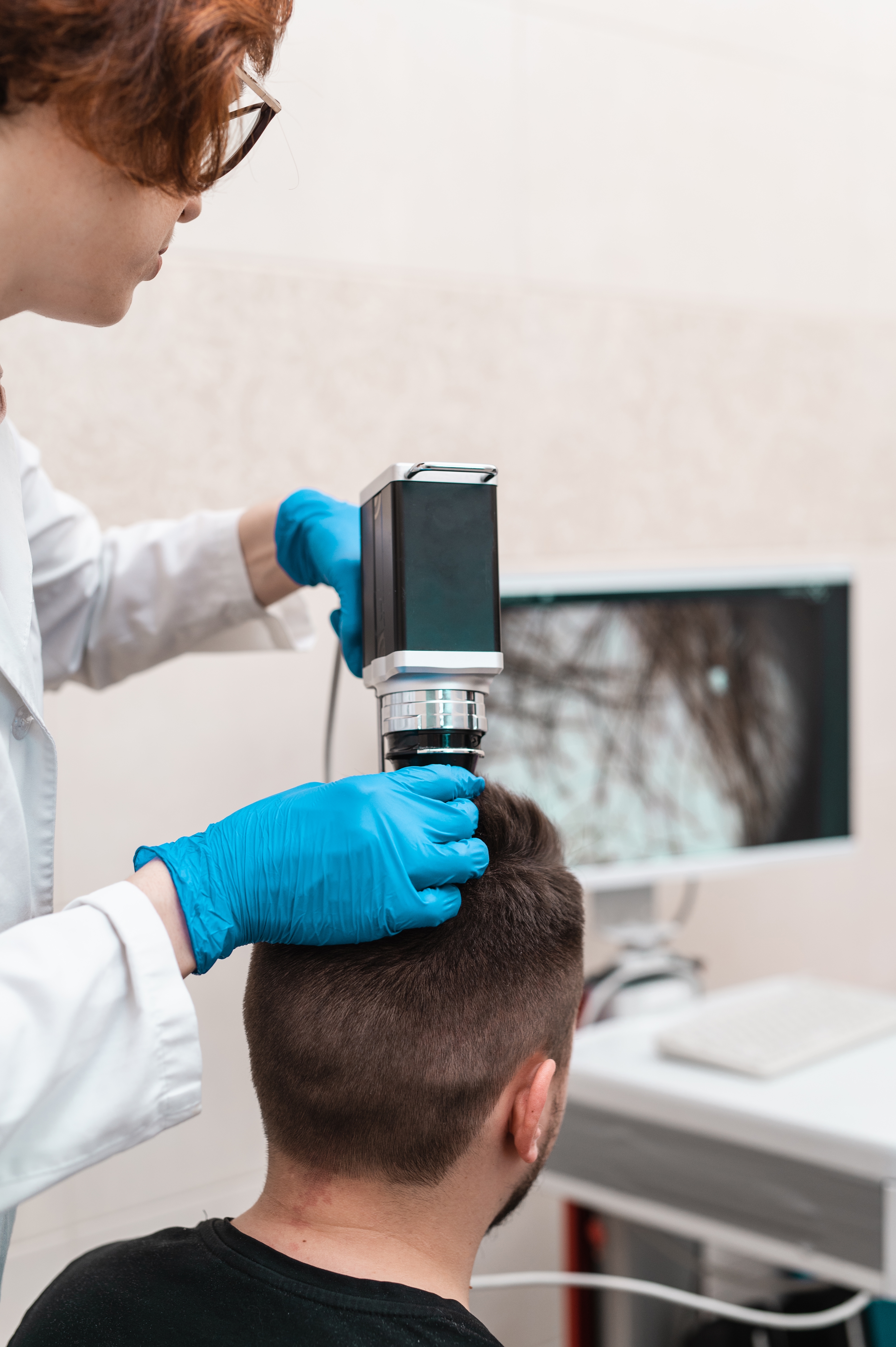
A dermatologist examines your hair and scalp. They may gently pull on a few hairs to see how many come out, order a blood test to check for conditions such as thyroid disease, or take a small skin sample from the scalp.
Will my receding hairline keep getting worse?
It is hard to predict. Some hairlines move back a little and stop. Without treatment, hereditary hair loss continues. A dermatologist can tell you which type you have and what may slow it down.
Sources
Hair loss: Who gets and causes
American Academy of Dermatology · aad.org
Hairstyles that pull can lead to hair loss
American Academy of Dermatology · aad.org
Hair loss types: Frontal fibrosing alopecia overview
American Academy of Dermatology · aad.org
Androgenetic alopecia
MedlinePlus Genetics, U.S. National Library of Medicine · medlineplus.gov
Hair loss
NHS · nhs.uk
Why do I have a receding hairline?
Healthline · healthline.com
Hair Transplantation
StatPearls, NCBI Bookshelf · ncbi.nlm.nih.gov
