Hair Transplant · Technique

DHI Hair Transplant

Also known as: direct hair implantation

DHI is a type of FUE hair transplant. Your grafts are removed one by one, as in FUE, and a pen-like implanter then opens each small channel and places the graft in one move. Most patients stay 2 to 3 days.

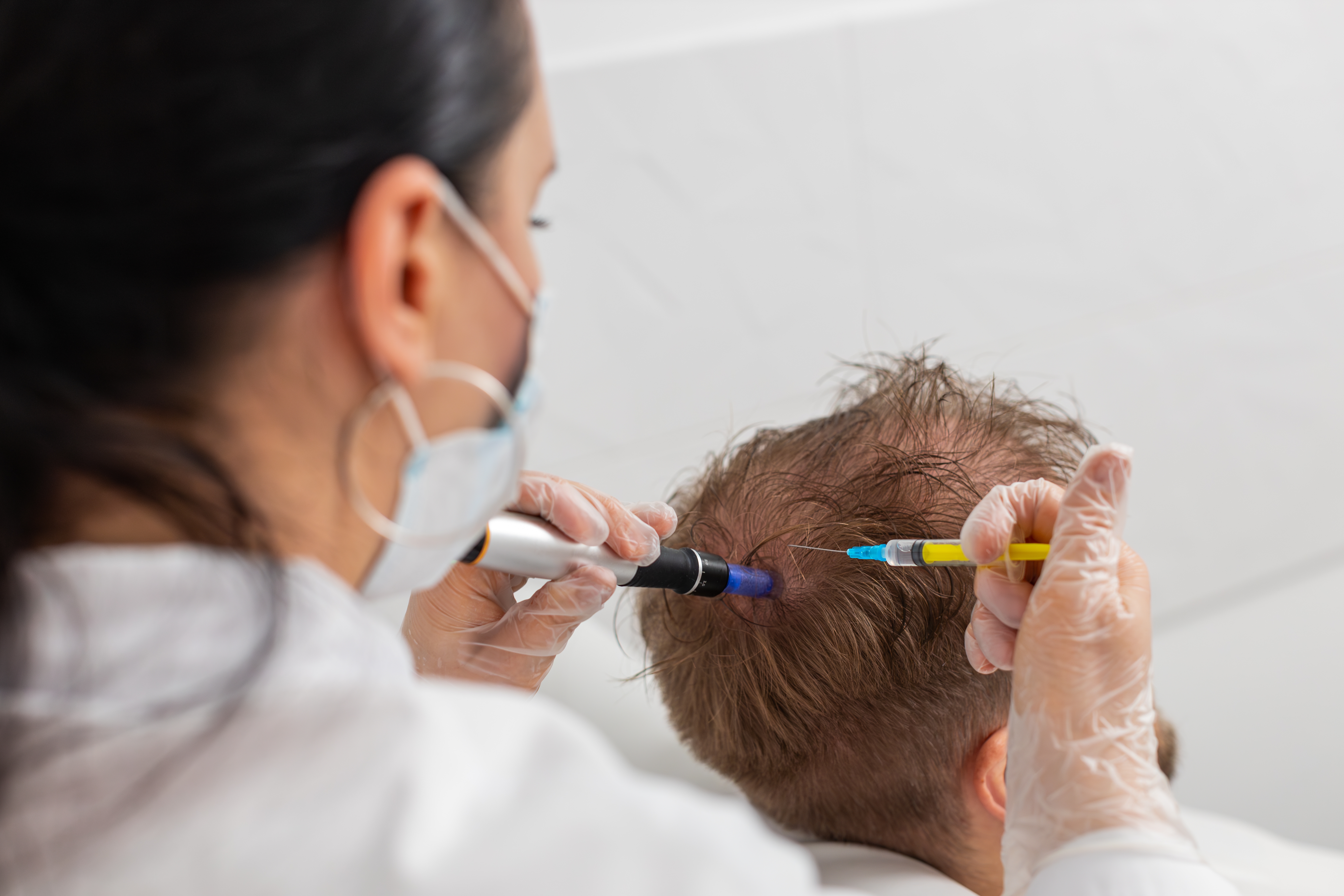
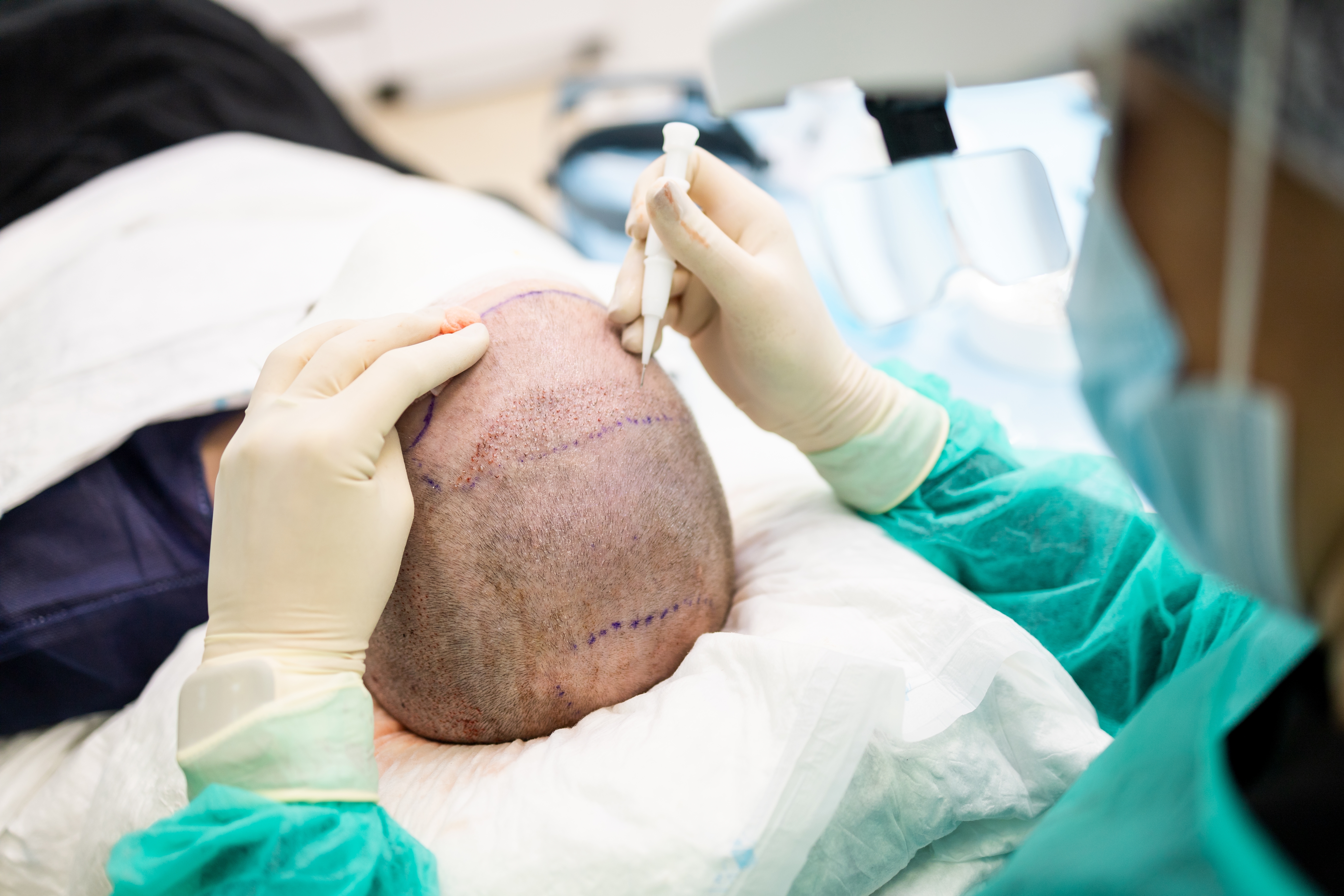
A doctor works along a man's hairline with a pen-shaped instrument

Anesthesia

Local

Time abroad

2 to 3 days

Results

6 to 12 months

How it compares

How DHI Compares with FUE and Sapphire FUE

DHI, FUE and Sapphire FUE all remove grafts the same way, one follicle at a time. They differ in how the small openings for the new hairs are made and how the grafts are placed.

A surgeon places grafts into the scalp with an implanter pen

DHI

This page
Removing grafts
One by one with a tiny punch, as in FUE
Making the openings
No separate step: A pen-like implanter opens and places in one move
Placing the grafts
Implanter pen (Choi pen)
Shaving
Often possible with less shaving
Often chosen for
Dense work in smaller areas, less shaving
A surgeon removes grafts from a shaved scalp with a small motorized tool

FUE

Removing grafts
One by one with a tiny punch (0.7 to 1.2 mm)
Making the openings
The surgeon makes small channels with a fine steel blade
Placing the grafts
Fine forceps
Shaving
Usually needed
Often chosen for
Larger areas, most hair loss patterns
A sapphire blade used to open channels in the scalp

Sapphire FUE

Removing grafts
Same as FUE
Making the openings
Channels made with a sapphire blade
Placing the grafts
Fine forceps
Shaving
Usually needed
Often chosen for
Same uses as FUE

No large, well-designed study shows that one reliably gives better growth than the others. The right method depends on your hair, your donor area and your surgeon's experience with it. If you're not sure which technique is right for you, FUE vs DHI, how to choose explains the differences.

Who it suits

Who Is DHI Often Chosen For?

DHI is often chosen for dense work in smaller areas, and when you'd like less shaving. The basic requirements are the same as for any hair transplant: hair loss that has settled into a stable pattern, and enough healthy donor hair.

DHI Is Often Chosen For

  • Dense work in smaller areas

  • Less shaving

Your surgeon recommends the technique after examining your scalp.

Step by step

How Is DHI Performed? Procedure Steps

DHI is done under local anesthesia, and you go back to your hotel the same day.

A shaved head with planning lines drawn on the scalp before a hair transplant
Step 1 of 6Hairline Design

The surgeon examines your scalp, confirms the graft plan and draws your new hairline.

Who · Surgeon
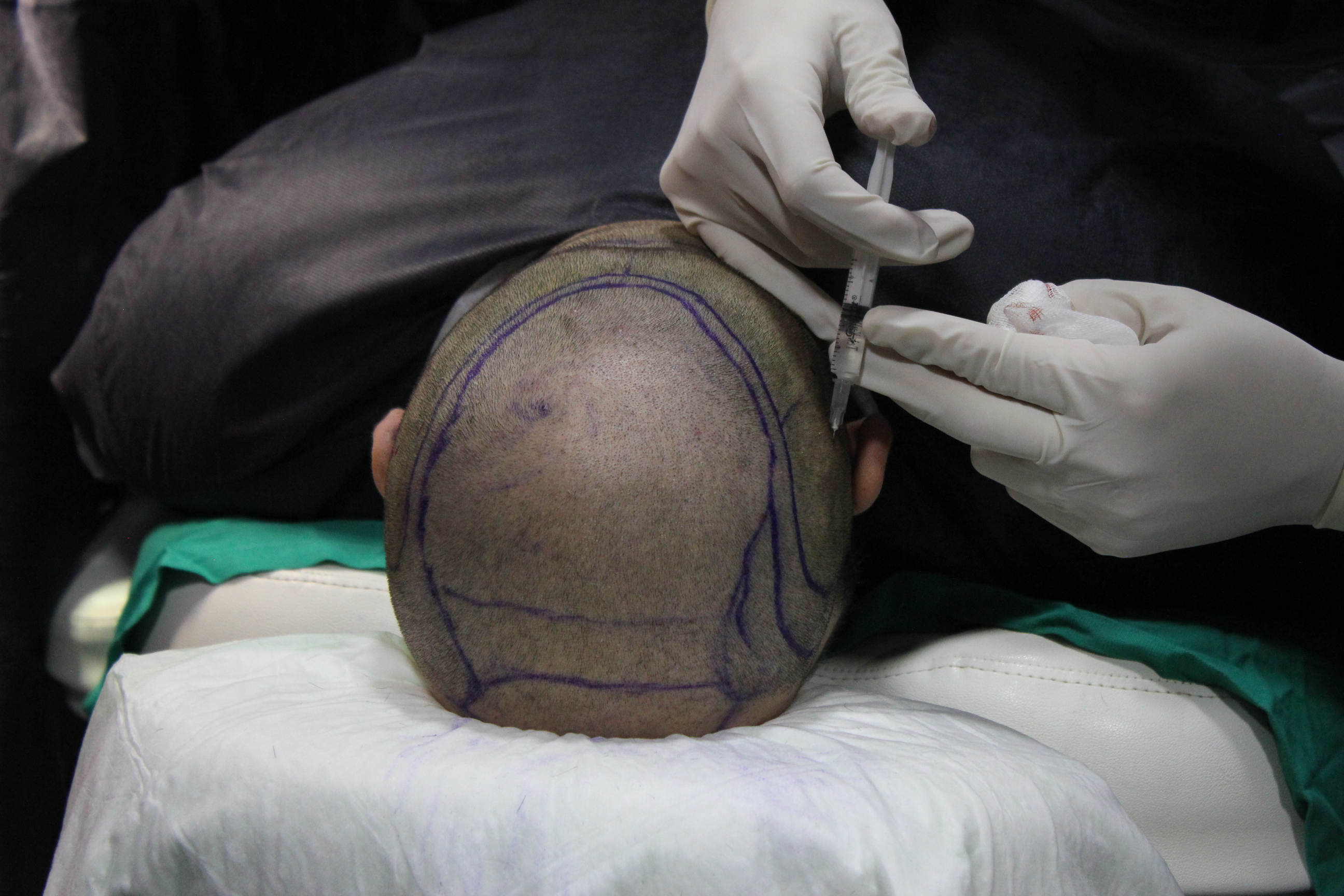
A doctor gives a local anesthetic injection in a man's scalp
Step 2 of 6Anesthesia

The donor area is usually shaved, and local anesthetic numbs the scalp.

Who · Surgeon, with the team
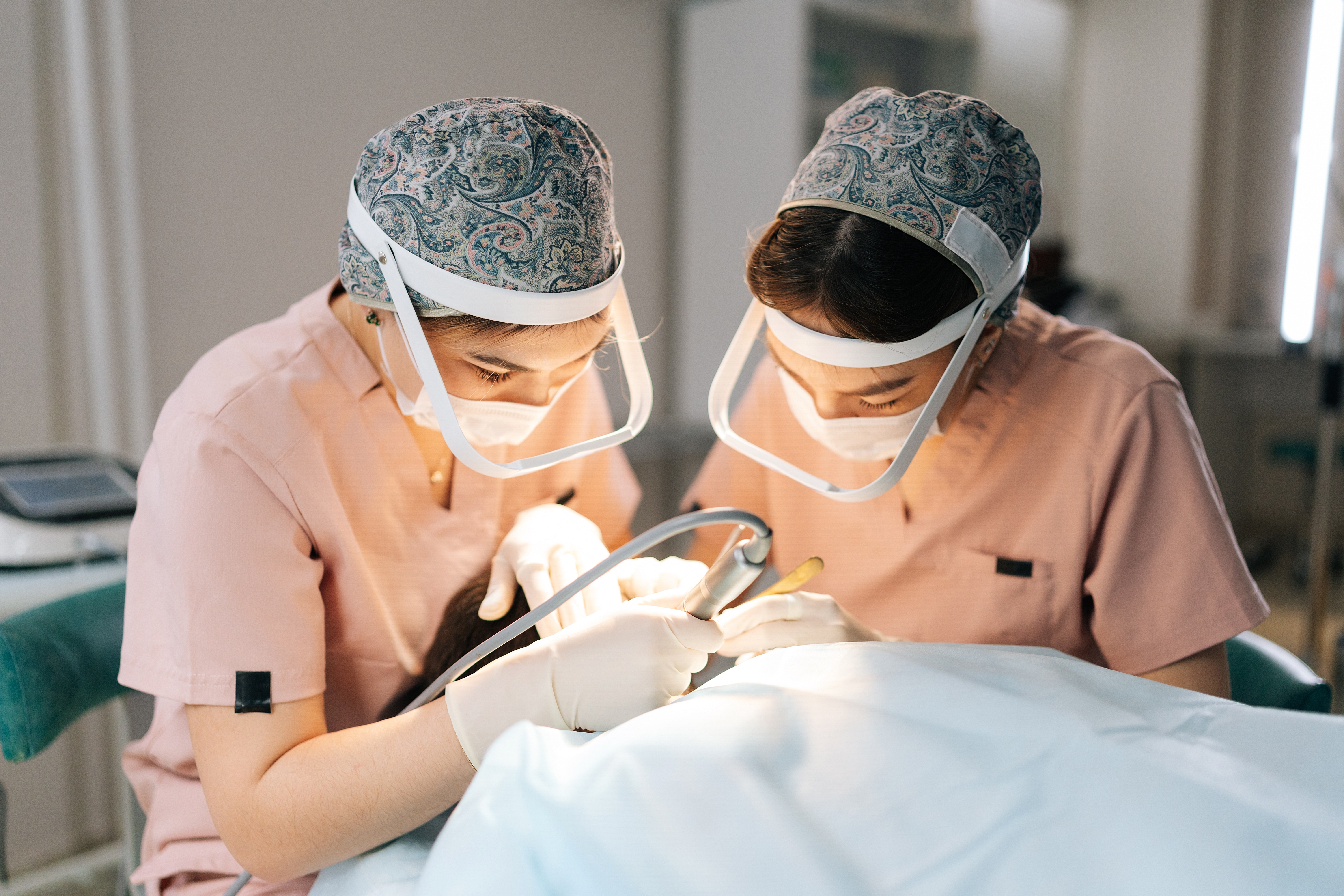
Two surgeons remove hair grafts from the back of a patient's head
Step 3 of 6Removing the Grafts

Follicles are removed one by one from the back and sides of your head with a tiny punch, as in FUE.

Who · Surgeon
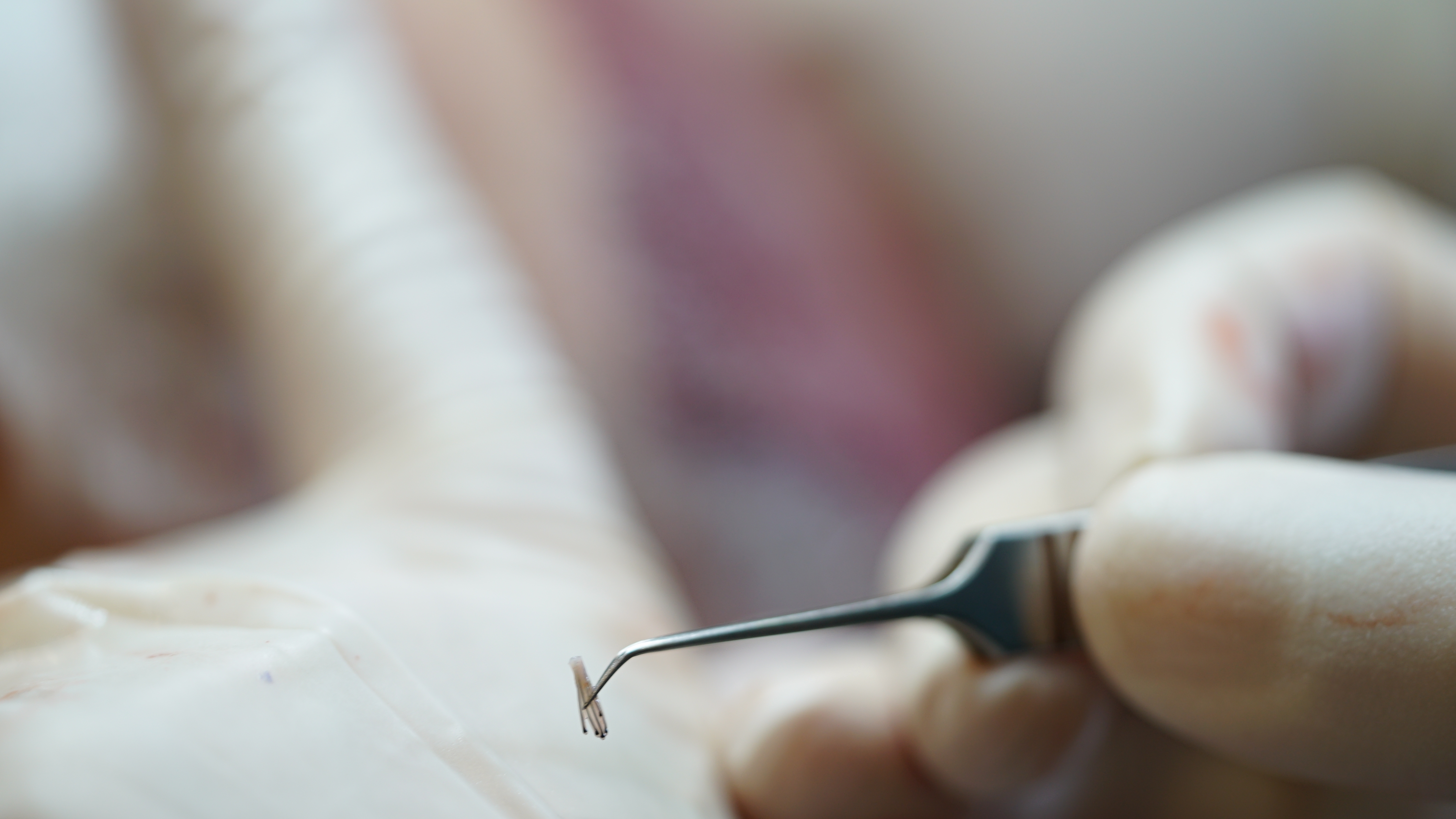
Tweezers hold a single hair graft in close-up
Step 4 of 6Loading the Implanter

Each graft is loaded into the needle of an implanter pen.

Who · Trained team, checked by the surgeon
A surgeon places grafts into a marked area on the top of the head
Step 5 of 6Opening and Placing

The pen opens a small channel and places the graft in one move. This sets the angle, direction and density.

Who · Surgeon
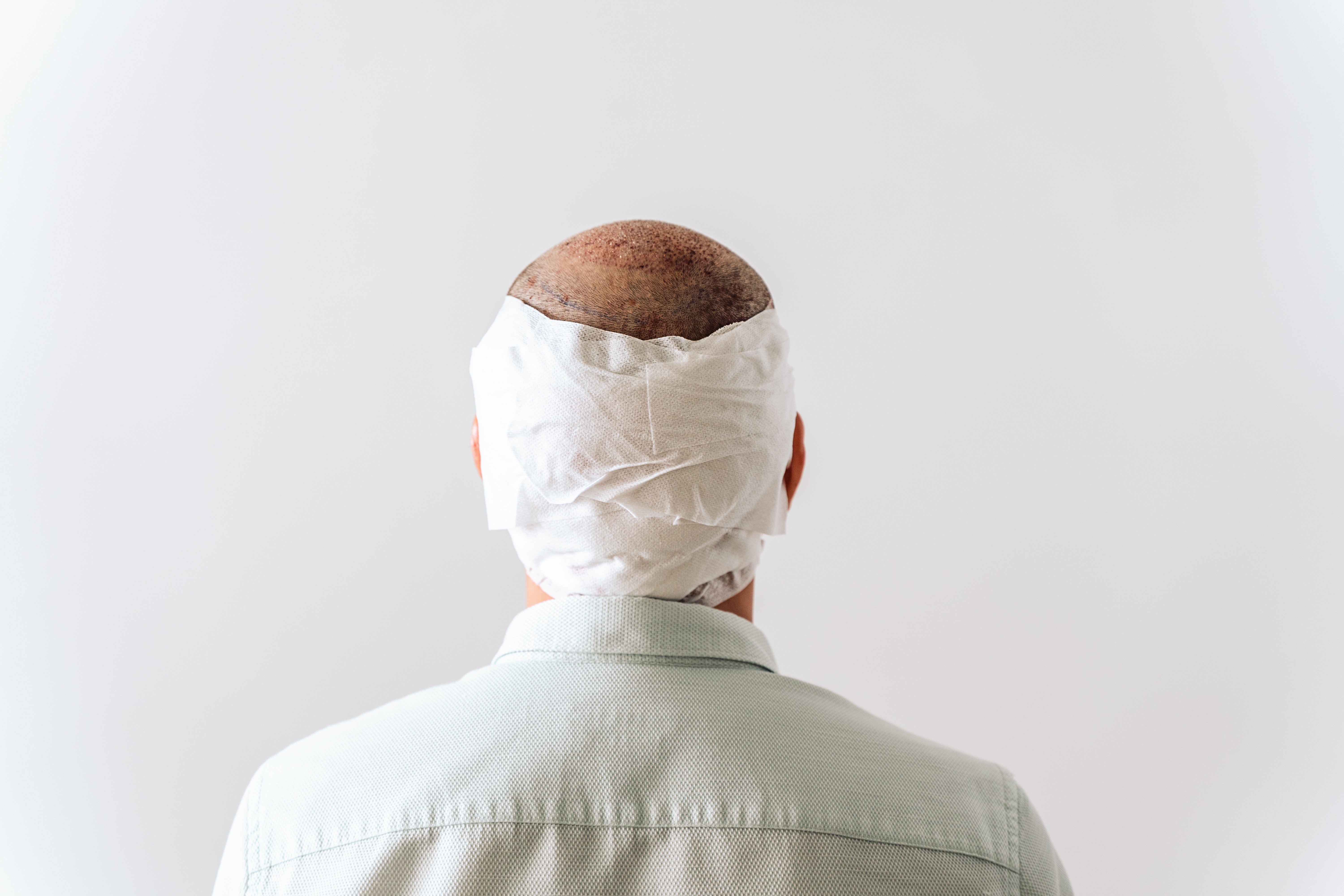
A man seen from behind with a bandage around his head after a hair transplant
Step 6 of 6Bandage and Rest

The donor area is dressed, and you get written aftercare instructions.

Who · Team

DHI Recovery and Results

Recovery after DHI follows the same path as other FUE methods, because the grafts are removed the same way.

  1. Days 7 to 10The small scabs usually fall off.
  2. Weeks 2 to 8The transplanted hairs fall out. This is normal.
  3. Month 3Your hair may look thinner before new hair grows.
  4. Months 6 to 12New hair grows in. Most patients see results at 6 to 9 months, some at 12 months.

Timings are typical, not promised.

FAQ

DHI: Frequently Asked Questions

Is DHI better than FUE?

Not necessarily. No large, well-designed study shows that DHI gives better growth than FUE. Ask your surgeon which method they use most often, and why they suggest it for you.

Can DHI be done without shaving?

DHI is often possible with less shaving. Unshaven sessions usually suit smaller areas, so ask your surgeon how much shaving your plan needs.

References

Sources

  • Advancements in Graft Placement Techniques

    Facial Plastic Surgery, 2023 · doi.org

  • Complications in follicular unit excision hair transplantation

    Frontiers in Medicine, 2026 · pmc.ncbi.nlm.nih.gov

What are you considering?

Pick the closest one. You can change your mind later.

What are you considering?

Please choose one to continue.

A little about your plans

This helps your coordinator come back with something useful.

Tell us your country.

When would you like to travel?

Pick the closest timing.

How can we reach you?

A real coordinator will reply. We never share your details with clinics without asking you first.

Please add your name.

Best way to reach you

Include your country code.

Include your country code.

Talk to a coordinator

Step {n} of {total} · {name}

Treatment

Details

Contact

Free and with no obligation

Continue

Back

Sending…

Close

Optional

We couldn’t send that just now. Please try again, or message us on WhatsApp.

Thanks{name}. We’ve got it.

A coordinator will follow up by {via}, usually within one business day. No payment or commitment is needed.

WhatsApp

email

phone

Interested in

Travelling

From